Cracking the Code: How American Matka Players Are Using Data Science to Beat the Numbers
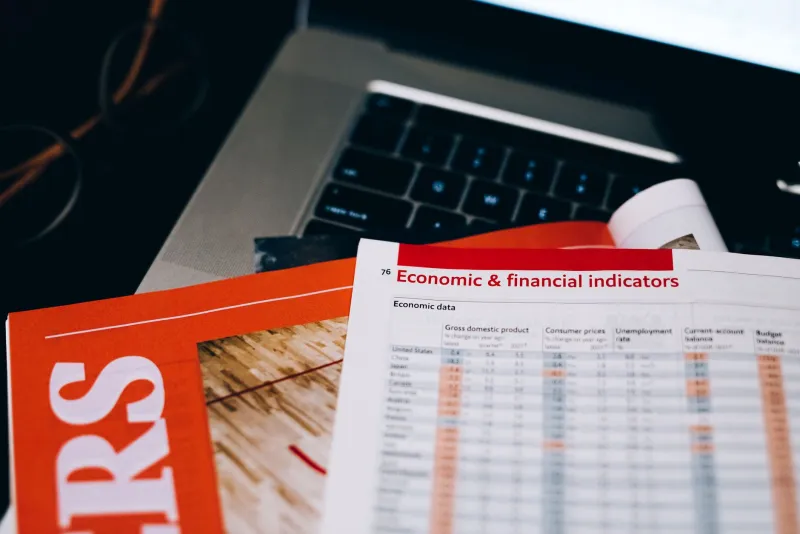
There's a moment every serious matka player knows well. You're staring at a string of recent results, and something in your gut says a pattern is forming. Maybe the same digit keeps showing up in the Jodi. Maybe a particular Panna combo has cycled back three times in six weeks. Old-school players call it instinct. A growing wave of American bettors, though, are calling it data—and they're building entire betting frameworks around it.
At Global Matka Live, we've been tracking this shift for a while now. What started as a few players jotting numbers into Excel sheets has quietly evolved into something that looks a lot like sports analytics culture bleeding into the matka world. And honestly? It's changing the conversation in a big way.
From Gut Feeling to Google Sheets
Meet Derek, a 34-year-old logistics coordinator from Columbus, Ohio. He's been playing matka for about four years, but it wasn't until he started treating his betting history like a business ledger that things clicked for him.
"I was losing consistently for the first two years because I was just guessing," he says. "I'd pick numbers that felt lucky or go off what my cousin suggested. Then I started logging every single result—dates, market, open, close, Jodi, Panna—everything. After about three months of data, patterns started jumping out at me."
Derek now maintains a rolling spreadsheet with over 18 months of historical results pulled from multiple markets. He uses basic conditional formatting to flag when certain digit combinations appear within specific time windows. It's not rocket science, but it's a serious step up from vibes-only betting.
He's not alone. Across matka-focused forums and Discord communities popular with American players, the data-first crowd is growing louder. Threads about frequency analysis, hot-and-cold number tracking, and Bayesian probability are popping up alongside the usual tips-and-tricks posts.
What Pattern Recognition Actually Looks Like
So what does a data-driven matka strategy actually involve? At its core, it comes down to a few key analytical approaches.
Frequency Analysis is the most common starting point. Players track how often specific digits or combinations appear over a defined sample size—say, the last 90 days of results from a given market. Numbers that appear more frequently than statistical expectation might suggest are labeled "hot," while underperforming numbers get flagged as "cold." The theory is that cold numbers may be due for a correction, while hot numbers could indicate a genuine bias in the draw pattern.
Positional Tracking goes a layer deeper. Instead of just counting occurrences, players map where specific digits tend to land—open vs. close, first digit vs. last—and look for positional tendencies over time.
Cycle Mapping is where things get more sophisticated. Some players chart the intervals between repeat appearances of specific combinations, trying to identify whether certain Jodis or Pannas resurface on predictable cycles. If a particular result appeared on days 1, 22, and 43 of a sample, that 21-day interval becomes a hypothesis worth testing.
Jamila, a data analyst from Atlanta who plays recreationally, puts it bluntly: "I'm not claiming matka is deterministic. But I approach it the same way I'd approach any dataset at work. You look for signal in the noise. Sometimes you find it, sometimes you don't."
The Intersection of Intuition and Analytics
Here's where it gets interesting: the most successful data-oriented players aren't abandoning intuition entirely. They're layering analytics on top of it.
Traditional matka wisdom carries real weight. Experienced players have long talked about market "feel"—the sense that certain draws run hot in particular seasons, or that specific markets behave differently depending on day of week. Data-driven players are now testing those intuitions systematically.
"I started logging my hunches alongside my data picks," Derek explains. "If my gut said one thing and my spreadsheet said another, I'd track both and see which won over time. Slowly, I started to see where my instincts were actually calibrated correctly and where they were just noise."
This kind of feedback loop—quantifying intuition to validate or discard it—is exactly how professional sports bettors operate. The parallels aren't lost on the matka community.
Does the Math Actually Deliver an Edge?
This is the question that matters, and it deserves an honest answer.
Matka is fundamentally a numbers game with fixed odds structures. Unlike poker, where skill can demonstrably shift long-term outcomes, or sports betting, where information asymmetry creates exploitable edges, matka draws are designed to be random. That's the baseline reality.
But "designed to be random" and "perfectly random in practice" aren't always the same thing. Any real-world draw system—whether it's a physical number pull or a digital generator—can exhibit subtle statistical drift over large sample sizes. That's not conspiracy theory territory; it's basic statistics.
The honest assessment from players who've been running data models for 12-plus months? The edge is small, inconsistent, and requires significant discipline to capture. Most report that pattern-based approaches improve their hit rate on lower-payout bets more noticeably than on high-variance single-digit plays. In other words, the math helps more at the margins than at the jackpot level.
Jamila frames it well: "I don't expect my models to make me rich. But they've made me a more disciplined bettor. I stake less on weak signals and more on strong ones. My bankroll has held up better over the past year than it ever did when I was just playing on feeling."
Tools the Data-Driven Crowd Is Actually Using
For players curious about building their own analytical approach, the barrier to entry is genuinely low. Here's what the community is actually working with:
- Excel and Google Sheets remain the workhorses. Pivot tables, COUNTIF functions, and conditional formatting cover most frequency and positional analysis needs without any coding required.
- Python with pandas is the next step up for players with a technical background. It allows for faster processing of larger historical datasets and more complex statistical modeling.
- Global Matka Live's live results archive is a go-to source for pulling consistent, timestamped historical data across multiple markets—exactly the kind of clean dataset that makes analysis reliable.
- Simple probability calculators help players sanity-check their expectations. If your model predicts a 1-in-8 hit rate on a particular bet, running that against actual results over 50 trials quickly tells you whether you're onto something or fooling yourself.
The Bottom Line
Data science isn't turning matka into a solved game—and anyone telling you otherwise is selling something. But the players who are bringing analytical rigor to their approach are, on balance, betting smarter. They're managing their bankrolls more carefully, making more deliberate decisions, and developing a clearer-eyed view of where their edge actually exists versus where they're just hoping.
For American players used to the stats-saturated culture of fantasy sports and sports betting, the translation to matka feels surprisingly natural. The game has always rewarded pattern recognition at some level. The difference now is that a generation of bettors is doing that recognition with actual tools instead of just gut instinct.
Whether you're a spreadsheet skeptic or a full-on quant convert, one thing is clear: the era of purely intuition-based matka play is sharing space with something more calculated. And at Global Matka Live, we're here for all of it.