What's Really Picking Your Numbers: A Look Inside Live Matka Draw Technology
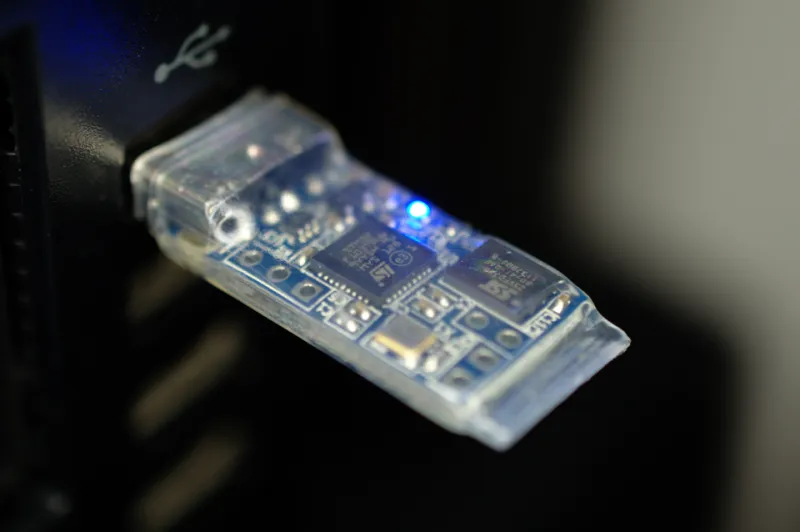
Photo: Gareth Halfacree from Bradford, UK, CC BY-SA 2.0, via Wikimedia Commons
The moment a live matka draw kicks off, most players are focused on one thing: the numbers. But behind that real-time result screen is a stack of software, servers, and algorithms that most bettors never think about—and almost no platform explains clearly.
At Global Matka Live, we believe informed players make better decisions. So let's pull back the curtain on the actual technology that determines matka results, what legitimate transparency looks like, and how US players can separate credible platforms from ones that are just putting on a show.
The Core Engine: How a Digital Draw Actually Works
Traditional matka—rooted in Mumbai's cotton market price system—involved physical draws: slips of paper pulled from pots. Modern online platforms have replaced that process with software-based random number generators, or RNGs.
An RNG is exactly what it sounds like: an algorithm that produces a sequence of numbers with no predictable pattern. There are two main types used in gambling contexts.
Pseudo-Random Number Generators (PRNGs) use a mathematical formula seeded by a starting value (the "seed") to generate number sequences. They're fast and computationally efficient. The catch is that if you know the seed and the algorithm, you can technically predict the output—which is why the seed value must be unpredictable and the algorithm must be robust.
True Random Number Generators (TRNGs) derive randomness from physical phenomena—thermal noise, radioactive decay, atmospheric data—making them genuinely unpredictable. They're more resource-intensive and less common in smaller platforms, but they represent the gold standard for verifiable randomness.
Most online matka platforms use PRNGs. That's not inherently a problem. Properly implemented PRNGs using modern cryptographic standards—like the Fortuna algorithm or the ChaCha20 cipher—are considered cryptographically secure. The issue arises when platforms use outdated or poorly implemented PRNG systems, or when they don't allow any external verification of the process.
The Certification Question Nobody Wants to Answer
In regulated gambling markets—Las Vegas, New Jersey's online casino industry, the UK's licensed operators—RNG systems are independently tested and certified by accredited testing laboratories. Names like eCOGRA, BMM Testlabs, Gaming Laboratories International (GLI), and iTech Labs are the recognized authorities. These organizations audit the software, review the statistical distribution of outputs, and issue certifications that platforms can display publicly.
Here's where the matka world gets complicated: the vast majority of online matka platforms targeting US players are not certified by any of these bodies.
Some platforms display logos that look like certification badges. A closer look often reveals these are either self-issued quality marks, certificates from unrecognized or non-independent bodies, or simply decorative design elements with no verifiable backing. When we looked into several platforms popular with US-based matka bettors, legitimate third-party RNG certification was the exception, not the rule.
That doesn't automatically mean the draws are rigged. But it does mean there's no independent verification that they aren't.
Provably Fair Systems: The Transparency Model That Actually Works
The most credible transparency mechanism available to online gambling platforms right now is the "provably fair" model, originally developed in the cryptocurrency gambling space.
Here's the basic concept: before a draw, the platform commits to a cryptographic hash of the seed that will be used. After the draw, they reveal the original seed. Any player can then verify that the seed matches the hash—confirming the result wasn't altered after bets were placed.
This system is elegant because it doesn't require you to trust the platform. The math does the verification for you. You don't need to understand cryptography to use it—most provably fair platforms provide a simple verification tool where you input the round's data and get a confirmation.
A small number of matka platforms have implemented provably fair mechanics or partial versions of them. If a platform you're considering offers this, it's a genuinely meaningful signal of commitment to transparency. If a platform can't explain how you would independently verify a draw result, that's a meaningful signal in the other direction.
Live Draw Streams: Theater or Transparency?
Many platforms now broadcast their draws via live video stream—a host pulls numbered cards, spins a wheel, or operates a physical randomization device on camera. This feels more trustworthy than an invisible algorithm, and it's clearly designed to evoke the tactile credibility of traditional matka.
But video streams don't actually solve the verification problem. A pre-recorded or staged stream can look identical to a live one. The physical randomization device on screen might not be the mechanism actually determining the result—the software could override or ignore it entirely. Without access to the underlying data and a way to cross-reference the stream against verifiable outputs, the video is atmosphere, not evidence.
The better platforms combine live streams with backend data transparency—publishing draw logs, seed values, and verification tools alongside the video. That combination is meaningful. The stream alone is not.
What a Trustworthy Platform Actually Shows You
If you're evaluating whether a matka platform's technology is worth trusting, here's a practical framework.
Published draw history with verifiable data. Every result should be logged and accessible, with enough technical detail (seed values, hash commitments, or equivalent) to allow independent verification.
Third-party RNG certification. Look for certificates from recognized laboratories—eCOGRA, GLI, BMM, iTech Labs. Verify the certification is current and applies to the specific RNG system in use.
Clear documentation of the draw process. A legitimate platform should be able to explain, in plain language, exactly how results are generated. Vague claims about "advanced algorithms" or "proprietary systems" without detail are not reassuring.
Responsive technical support. Try asking a platform directly: "What RNG system do you use, and how can I verify a draw result?" The quality and specificity of the answer tells you a lot.
Community reputation. Player forums and matka communities in the US are active and often technically sophisticated. Long-running discussions about a platform's draw integrity—positive or negative—are worth reading before you commit funds.
The Bottom Line for US Players
The technology powering live matka draws is real and, in the best cases, genuinely rigorous. But the matka space as a whole operates with far less regulatory pressure to prove that rigor than licensed casino operators face in the US.
That means the responsibility for evaluating platform integrity falls to you. It's not the most glamorous part of matka betting, but understanding what's running the draws—and knowing how to ask the right questions—is as important as any betting strategy. Your edge starts with knowing the game is actually fair.